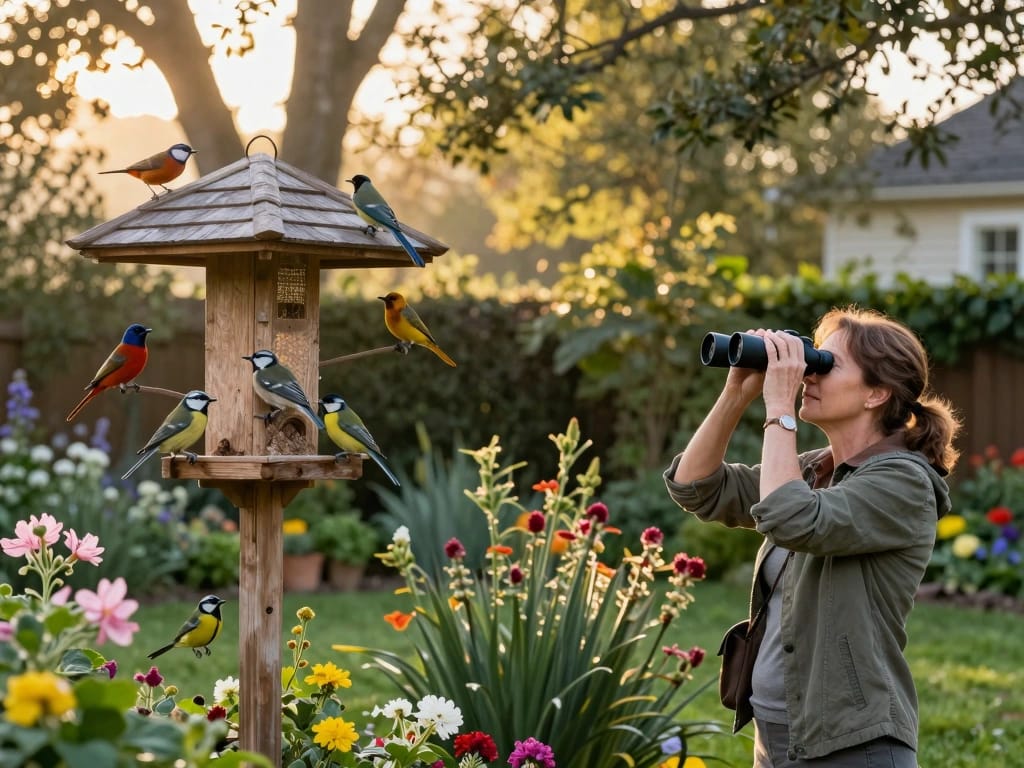
Understanding the Basics of Birding
What is a Life List?
A life list is a personal record of all the bird species an individual has identified throughout their birding journey. This list serves as a reflection of one’s experiences and growth as a birder. Many birders keep their life lists meticulously, noting the date and location of each sighting. For backyard birders, this list may start with common species like the American Robin or the Northern Cardinal, but as time goes on, it can expand to include rarer visitors that stop by throughout the seasons.
The Importance of Backyard Birding
Backyard birding is not only an accessible way to engage with nature, but it also offers numerous benefits. It can foster a deeper appreciation for wildlife, enhance mental well-being, and provide educational opportunities for individuals and families. Additionally, it is a convenient way to contribute to citizen science. Many backyard birders participate in initiatives like the Great Backyard Bird Count, helping researchers monitor bird populations and trends.
Essential Birding Terminology
Familiarizing yourself with birding terminology will enhance your experience and communication with others in the birding community. Here are some key terms:
- Field Marks: Distinctive features that help identify a bird species, such as color patterns, size, and shape.
- Migration: The seasonal movement of birds from one region to another for breeding or feeding.
- Song: The vocalizations made by birds, often used for communication between mates or to establish territory.
- Flock: A group of birds that travel or feed together.
Gathering the Right Tools for Birding
Choosing the Best Binoculars
Investing in a good pair of binoculars is crucial for backyard birding. Binoculars allow you to observe birds from a distance without disturbing them. When selecting binoculars, consider the following specifications:
- Magnification: A common choice is 8x42, which provides a good balance between magnification and field of view.
- Weight: Lightweight binoculars (around 1-2 pounds) are easier to handle during long observation sessions.
- Waterproofing: Look for binoculars that are waterproof and fog-proof to withstand various weather conditions.
Popular models include the Vortex Diamondback 8x42 and Nikon Prostaff 3S 8x42, both known for their clarity and durability.
Bird Guides and Field Guides
Field guides are essential for identifying birds in your backyard. They typically include photographs, illustrations, and descriptions of various species. Some highly recommended field guides for North American birders include:
- The Sibley Field Guide to Birds of Eastern North America - Comprehensive and user-friendly.
- Peterson Field Guide to Birds of North America - Known for its artistic illustrations and detailed information.
- National Geographic Field Guide to the Birds of North America - Offers extensive species coverage and helpful range maps.
Apps and Technology for Birding
In the digital age, several apps can enhance your birding experience. Some popular options include:
- Merlin Bird ID: A free app that helps identify birds based on your location and descriptions.
- BirdTrack: An app designed for documenting bird sightings and contributing to scientific studies.
- iBird Pro: A comprehensive bird identification app with images, songs, and distribution maps.
These tools can significantly aid in building your life list by providing instant access to information and identification assistance.
Setting Up Your Backyard for Bird Watching
Creating a Bird-Friendly Environment
To attract a diverse range of birds to your backyard, it’s essential to create a bird-friendly habitat. Here are some strategies:
- Native Plants: Planting native flowers, shrubs, and trees can provide food and shelter for local birds.
- Natural Shelter: Leave some areas of your yard undisturbed to offer cover and nesting spots for birds.
- Natural Food Sources: Incorporate berry-producing plants and seed-bearing grasses to attract various species.
Feeding Stations and Bird Feed Types
Setting up feeding stations is one of the most effective ways to attract birds. Different bird species have different feeding preferences, so consider offering a variety of food types:
- Seed Feeders: Use sunflower seeds, safflower seeds, and mixed seeds to attract finches, sparrows, and cardinals.
- Nectar Feeders: Hummingbirds are drawn to feeders filled with a sugar-water solution (1 part sugar to 4 parts water).
- Suet Feeders: Suet cakes are great for attracting woodpeckers, nuthatches, and other insect-eating birds.
Position feeders in visible locations and keep them clean to encourage regular visits.
Water Sources and Nesting Boxes
Providing a water source is crucial for attracting birds, especially during hot months. Consider installing:
- Bird Baths: A shallow bird bath with a gentle slope allows birds to bathe and drink safely.
- Water Fountains: Moving water is particularly enticing for birds; consider a solar-powered fountain for sustainability.
Additionally, nesting boxes can encourage breeding birds to settle in your yard. Ensure boxes are suitable for local species by researching their nesting preferences and placing them in quiet, sheltered areas.
Documenting Your Bird Sightings
How to Keep a Life List
Keeping a life list is an enjoyable and straightforward process. Start by creating a simple table or spreadsheet where you can log:
- Species Name: Common and scientific names.
- Date of Sighting: The date you spotted the bird.
- Location: Specific details about where you observed the bird.
- Notes: Any distinctive behaviors or characteristics.
As you add more species, you’ll have a growing record of your backyard birding adventures!
Using Journals vs. Digital Tools
There are two primary methods for documenting your bird sightings: traditional journals and digital tools. Each has its advantages:
- Journals: A physical journal allows for personal reflection and creativity. You can include sketches, notes, and even photographs. A popular choice is the Birdwatcher's Journal, which provides structured pages for recording sightings.
- Digital Tools: Apps and websites like eBird offer a convenient way to log sightings and analyze data over time. Digital records are easily searchable and can be shared with others.
Consider your personal preference when choosing a method, or combine both for a comprehensive approach!
Photography Tips for Birding
Capturing images of the birds you observe can enhance your birding experience and serve as a visual record of your life list. Here are some tips for photographing birds:
- Use a Telephoto Lens: A lens with a focal length of at least 300mm will help you get close-up shots without disturbing the birds.
- Practice Patience: Wait quietly and allow birds to acclimate to your presence for better chances of capturing natural behavior.
- Good Lighting: Early morning or late afternoon light provides the best conditions for photography.
Sharing your bird photographs on social media or with local birding groups can also foster connections and enhance your learning.
Connecting with the Birding Community
Joining Local Birding Groups
Connecting with fellow birders can provide a wealth of knowledge and support. Local birding groups often organize field trips, workshops, and social gatherings. Many groups also offer mentorship programs for new birders. To find a local group, check community centers, nature reserves, or social media platforms.
Participating in Bird Counts and Events
Participating in organized bird counts, such as the Christmas Bird Count or the Great Backyard Bird Count, is a great way to contribute to conservation efforts while enhancing your own birding skills. These events offer opportunities to learn from experienced birders, share your own sightings, and meet like-minded individuals. Typically, these events occur annually, so find the dates and mark your calendar!
Online Forums and Social Media for Birders
The internet has made it easier than ever to connect with the global birding community. Consider joining online forums like BirdForum or Facebook groups dedicated to birding. These platforms allow you to ask questions, share sightings, and learn from experienced birders worldwide. You can also follow birding hashtags on platforms like Instagram or Twitter to immerse yourself in the community.